
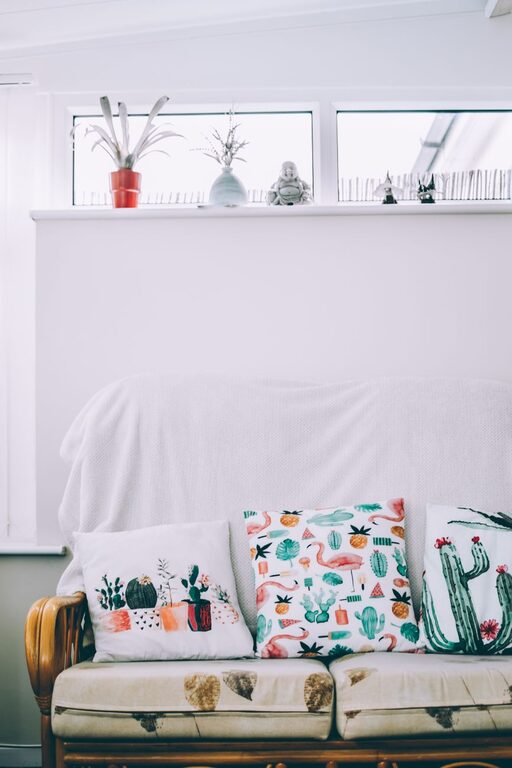
A dark room can feel cramped, gloomy, and uninviting. Whether you’re dealing with limited natural light or just want to refresh your space, brightening a room doesn’t have to mean a full renovation. There are many quick and budget-friendly ideas you can try to make your dark room feel lighter, airier, and more welcoming. In this post, we’ll explore practical and creative ways to brighten a dark room using lighting, color, furniture placement, and more.
Understanding What Makes a Room Dark
Before you start, it helps to identify the reasons your room feels dark. Some common causes include:
– Lack of natural light due to small or shaded windows
– Dark wall colors or heavy curtains
– Bulky furniture blocking light sources
– Insufficient or poorly placed artificial lighting
– Dark flooring or ceiling colors that absorb light
Once you know the factors, you can decide which changes will have the biggest impact and fit your style and budget.
1. Maximize Natural Light
Natural light is one of the easiest and most pleasant ways to brighten a room. Here’s how to make the most of it:
– Clean windows inside and out. Dust and grime can significantly reduce how much light comes through.
– Use sheer or light curtains. Avoid dark or heavy drapes that block light. Sheer panels allow light while providing privacy.
– Remove obstacles near windows. Make sure furniture or plants aren’t blocking sunlight.
– Add mirrors opposite or near windows. Mirrors reflect natural light, amplifying brightness throughout the room.
2. Choose Light and Reflective Colors
Color has a huge effect on how light or dark a room feels.
– Paint walls in light tones. Whites, creams, pale grays, and pastels reflect light better than dark colors.
– Use semi-gloss or satin paint finishes. These reflect light more than matte finishes.
– Select light-colored flooring or rugs. If changing floors isn’t an option, add a light rug to brighten the floor area.
– Keep ceilings bright. A white or very light ceiling will help bounce light back into the room.
3. Add or Improve Artificial Lighting
Good lighting is key, especially in rooms with limited natural light.
– Layer your lighting. Use ambient lighting (like ceiling fixtures), task lighting (table or floor lamps), and accent lighting (wall sconces or LED strips) together.
– Choose bulbs with higher lumens. This means brighter light. Look for bulbs labeled “daylight” or “soft white” for a natural feel.
– Use multiple light sources. Several smaller lamps spread around the room often create a more inviting atmosphere than one bright overhead light.
– Consider smart bulbs or dimmers. These offer flexibility to adjust brightness based on time of day or activity.
4. Incorporate Reflective and Light-Enhancing Surfaces
Certain materials can help bounce light and add brightness through reflections.
– Mirrors are classic for reflecting both natural and artificial light. A large mirror can double the perceived light in a room.
– Glass and acrylic furniture don’t block light like solid pieces do. Use transparent tables or chairs.
– Metallic accents like chrome, brass, or gold lamps, picture frames, or decorative objects reflect light and add sparkle.
– Glossy or lacquered finishes on furniture or decor can also reflect light better than matte surfaces.
5. Rearrange Furniture for Better Light Flow
Sometimes, simply moving furniture can brighten a space.
– Keep pathways to windows clear. Avoid placing large, dark pieces where they block light sources.
– Position seating near windows. This takes advantage of natural light and makes the room feel more open.
– Use low-profile furniture. Tall or bulky items can absorb light and create shadows.
6. Add Bright and Colorful Accents
Even if you keep the main walls and floors neutral, colorful accents can lift the room’s mood.
– Throw pillows, blankets, and curtains in bright hues or patterns can brighten the space visually.
– Artwork or wall decor that’s vibrant adds interest and cheer.
– Fresh flowers or green plants introduce a natural brightness and life to any room.
7. Opt for Minimal Window Coverings
If privacy allows, consider eliminating heavy window coverings altogether.
– Use blinds that can adjust light levels but don’t block it completely.
– Skip valances or pelmets that can obstruct upper window light.
– Use tiebacks or holdbacks to keep curtains open during the day.
8. Keep Your Space Clean and Clutter-Free
A cluttered room can feel darker and more cramped.
– Regularly declutter and organize. Less visual noise helps light spread evenly.
– Use storage solutions to keep items out of sight.
– Choose furniture with built-in storage to minimize clutter.
—
Final Thoughts
Brightening a dark room doesn’t require complex renovations. With some simple but thoughtful adjustments—using light colors, improving lighting, adding mirrors, and rearranging furniture—you can transform your space into a lighter, more inviting environment. Experiment with these ideas to find what works best for your room and personal style.
Remember, even small changes can make a big difference in how bright and cheerful your room feels. Start with one or two tips and build from there to create a space you enjoy spending time in every day.