
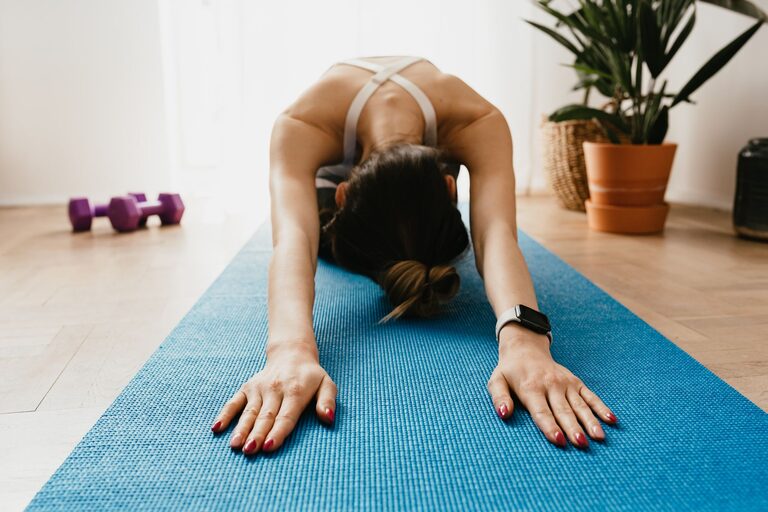
Stretching is a gentle, accessible way to enhance your body’s flexibility, reduce muscle tension, and support overall well-being—all without needing special equipment or a gym membership. Whether you want to unwind after a long day, prepare for exercise, or simply move more comfortably, incorporating stretching into your daily routine can make a significant difference. This beginner’s guide will walk you through the basics of stretching at home, including tips, simple exercises, and safety advice.
Why Stretch at Home?
Stretching helps maintain and improve muscle elasticity and joint range of motion. Doing it regularly can:
– Reduce muscle stiffness and soreness
– Improve posture
– Increase blood flow and circulation
– Enhance athletic performance
– Lower the risk of injury
– Promote relaxation and stress relief
At-home stretching is convenient and cost-effective. You can fit it into any part of your day—morning, lunchtime, or before bed. Plus, no special gear is required, just a comfortable space.
Getting Started: Stretching Basics
Warm Up First
Before stretching, it’s important to warm up your muscles with light activity. This might be marching in place, arm circles, or a brisk walk around your home for 3 to 5 minutes. Warming up increases blood flow and prepares your muscles for stretching.
Choose the Right Type of Stretching
There are two common types of stretching:
– Static Stretching: Holding a stretch position for 15 to 60 seconds. This is great for improving flexibility after exercise or during relaxation.
– Dynamic Stretching: Moving parts of your body through a full range of motion, like leg swings or arm circles. This is best before workouts to prepare your muscles.
For beginners at home, static stretching is usually the easiest place to start.
Listen to Your Body
Stretching should never be painful. You should feel gentle tension or a mild stretch in the muscle, not sharp or intense discomfort. Ease into each stretch slowly and breathe deeply to help your muscles relax.
Essential At-Home Stretching Exercises
Here are some beginner-friendly stretches targeting major muscle groups. Hold each stretch for 20 to 30 seconds and repeat 2 to 3 times if possible.
Neck Stretch
– Sit or stand tall.
– Slowly tilt your head toward your right shoulder until you feel a stretch along the left side of your neck.
– Hold, then switch sides.
Shoulder Stretch
– Bring your right arm across your chest.
– Use your left hand to gently pull your right arm closer to your chest.
– Hold, then switch arms.
Chest Opener
– Clasp your hands behind your back.
– Straighten your arms and gently lift your hands upward while opening your chest.
– Keep your shoulders down and relaxed.
Seated Hamstring Stretch
– Sit on the floor with your legs extended straight in front of you.
– Keep your back straight and gently lean forward from your hips, reaching toward your toes.
– Stop when you feel a stretch in the back of your thighs.
Quadriceps Stretch
– Stand with your left hand against a wall or chair for balance.
– Bend your right knee and bring your heel toward your buttocks.
– Hold your right ankle with your right hand.
– Keep your knees close together and chest lifted.
– Hold, then switch legs.
Cat-Cow Stretch (Spine Mobility)
– Start on your hands and knees in a tabletop position.
– Inhale and arch your back, lifting your tailbone and head (Cow Pose).
– Exhale and round your spine, tucking your chin and tailbone (Cat Pose).
– Repeat slowly for 5 to 10 breaths.
Hip Flexor Stretch
– Step your right foot forward into a lunge position, keeping your left knee on the floor.
– Shift your weight forward slightly to feel a stretch in the front of your left hip.
– Keep your chest upright.
– Hold, then switch sides.
Creating a Stretching Routine
Consistency is key to seeing benefits from stretching. Here’s a simple way to build a routine:
– Frequency: Aim for at least 3 to 5 days a week.
– Duration: Spend 10 to 15 minutes per session, gradually increasing as you become more comfortable.
– Timing: Stretch after warming up or at the end of your daily activities to relax.
Keep a journal or use an app to track your progress and stay motivated.
Tips for Safe and Effective Stretching
– Avoid bouncing or jerking movements—stretch smoothly and steadily.
– Breathe deeply and evenly during stretches to encourage relaxation.
– Don’t rush; take your time to feel each stretch fully.
– Stop immediately if you feel sharp pain or discomfort.
– Modify stretches if you have any injuries or health concerns, and consult a professional if needed.
Final Thoughts
Stretching at home offers many benefits without needing much time or equipment. By starting with simple, gentle stretches and practicing regularly, you can improve your flexibility, reduce muscle tension, and support your overall health. Remember to be patient and kind to your body as you build this healthy habit.
Try incorporating these stretches into your daily routine—your body will thank you!