
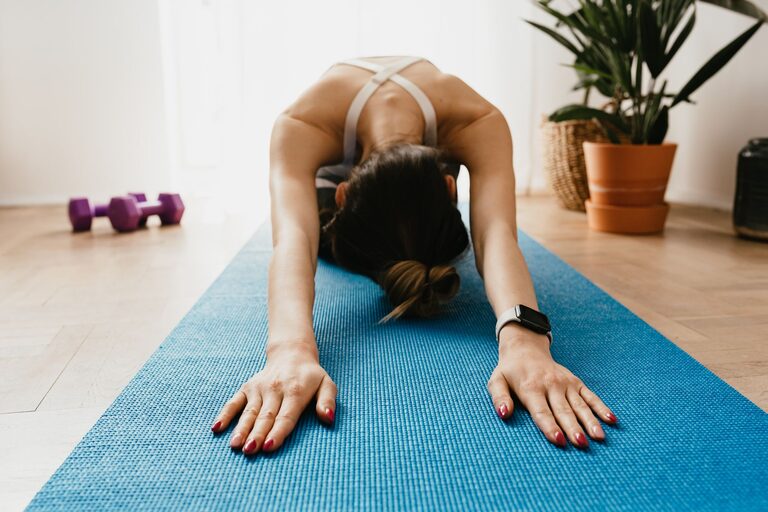
Stretching is an excellent way to improve your overall flexibility, reduce muscle tension, and promote better posture. Whether you’re new to exercise or simply looking to add a calming activity to your daily routine, stretching at home is a convenient and effective choice. This beginner’s guide will walk you through the basics of stretching, share simple routines, and offer tips to get the most from your practice.
Why Stretching Matters
Before diving into specific stretches, it’s helpful to understand why stretching is beneficial:
– Improves flexibility: Regular stretching lengthens your muscles and tendons, allowing greater range of motion.
– Enhances circulation: Stretching increases blood flow to muscles, which can reduce soreness and speed recovery.
– Reduces stress: Focusing on your breath and gentle movement helps relax both your body and mind.
– Prevents injury: Flexible muscles and joints are less prone to strains and other injuries during physical activity.
– Improves posture: Stretching tight muscles can correct imbalances caused by prolonged sitting or poor ergonomics.
Getting Started: Stretching Basics
When to Stretch
– After warming up: For active stretching, warm up your body with light cardio like walking or marching in place for 5-10 minutes.
– After exercise: Stretching post-workout helps muscles cool down and prevents stiffness.
– Anytime: Gentle stretching can also be done anytime during the day, especially if you feel tight or stiff.
How Long to Hold a Stretch
For beginners, hold stretches for about 15 to 30 seconds. Avoid bouncing or forcing a stretch; you should feel a gentle pull, not pain.
Breath and Relaxation
Breathe deeply and slowly while stretching. Proper breathing helps your muscles relax and enhances the effectiveness of the stretch.
Essential Stretches for Beginners
Here are some simple stretches you can do at home without any special equipment:
1. Neck Stretch
– Sit or stand tall.
– Gently tilt your head toward one shoulder until you feel a stretch on the opposite side.
– Hold for 20 seconds, then switch sides.
2. Shoulder Rolls
– Sit or stand with your arms relaxed by your sides.
– Slowly roll your shoulders forward in a circular motion 10 times.
– Reverse direction and roll backward 10 times.
3. Chest Opener
– Clasp your hands behind your back.
– Straighten your arms and gently lift your chest while squeezing your shoulder blades together.
– Hold for 20-30 seconds.
4. Cat-Cow Stretch (Spine Mobility)
– Start on all fours, hands beneath shoulders and knees below hips.
– Inhale, arch your back (cow pose) and look slightly up.
– Exhale, round your back (cat pose) and tuck your chin toward your chest.
– Repeat for 5–10 rounds.
5. Seated Forward Bend
– Sit on the floor with legs extended straight.
– Slowly reach forward from your hips toward your toes.
– Keep your spine long and avoid rounding your back.
– Hold for 20-30 seconds.
6. Hamstring Stretch
– Lie on your back and lift one leg toward the ceiling.
– Hold behind the thigh or calf and gently straighten the knee as much as comfortable.
– Hold for 20-30 seconds, then switch legs.
7. Quadriceps Stretch
– Stand tall, hold onto a chair or wall for balance if needed.
– Grab one ankle behind you and gently pull the heel toward your buttocks.
– Keep knees close together, hold for 20-30 seconds, then switch legs.
8. Calf Stretch
– Stand facing a wall with one foot forward and one foot back.
– Press the back heel into the floor while bending the front knee.
– Hold for 20-30 seconds, then switch legs.
Tips for Successful Home Stretching
– Create a dedicated space: Find a quiet area with enough room to move freely.
– Use a yoga mat or towel: This provides cushioning and prevents slipping.
– Wear comfortable clothing: Loose, stretchy clothes help you move easily.
– Be consistent: Aim to stretch at least 3 times a week for best results.
– Listen to your body: Never push into pain. Mild discomfort is normal, but sharp pain is a signal to stop.
– Incorporate stretching into your routine: Stretch in the morning to wake up your body or in the evening to unwind.
Safety Considerations
– If you have any medical conditions or injuries, consult a healthcare professional before starting a stretching routine.
– Avoid stretching cold muscles; warm up first if you’re about to do active stretches.
– Avoid overstretching joints, especially if you are hypermobile.
Final Thoughts
Stretching at home is an easy, low-impact habit that can improve your physical and mental well-being. With just a few minutes a day and the right techniques, you’ll increase your flexibility, ease muscle tension, and feel more relaxed. Start slow, be patient, and enjoy discovering how stretching can enhance your daily life.
Happy stretching!